
Can You Replace Window Glass Without Replacing the Entire Window?
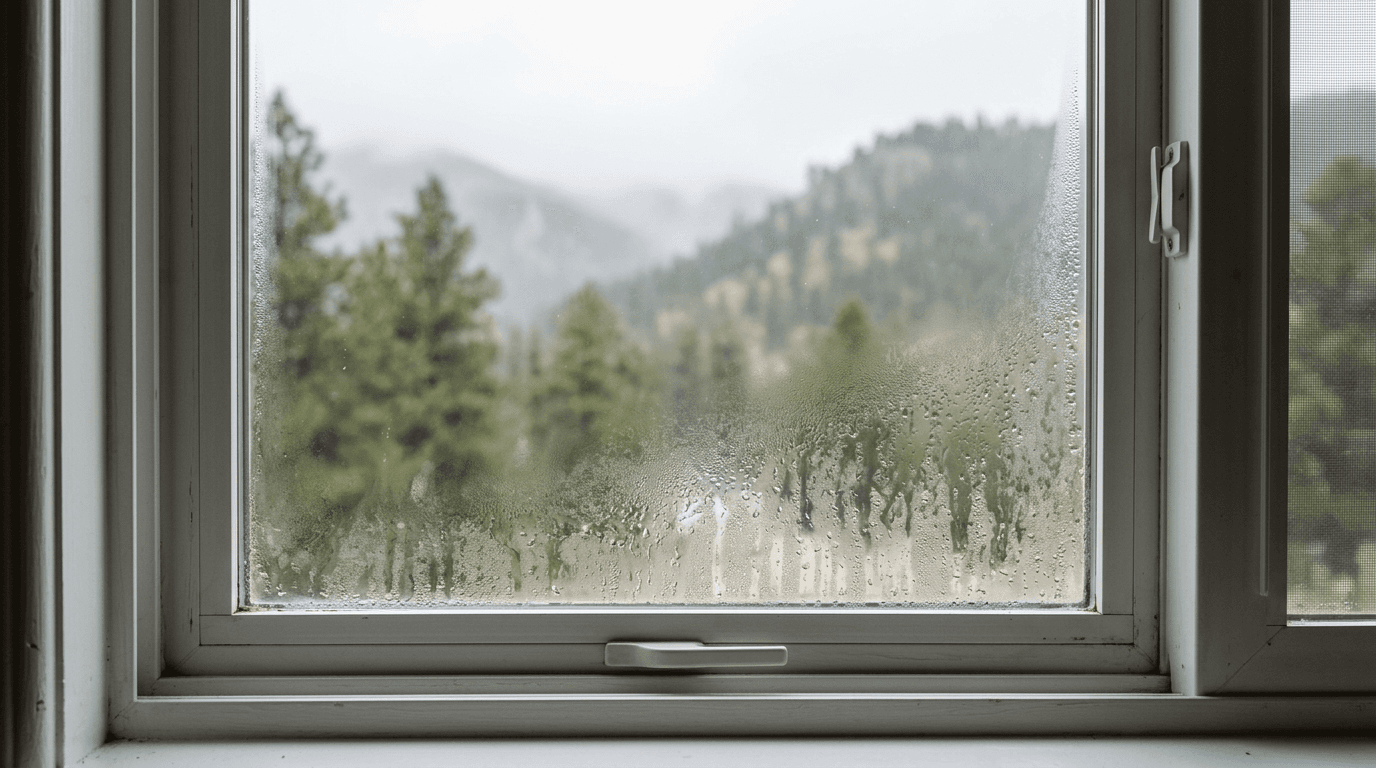
Illustrative image — not a completed High Plains project.
Broken or foggy glass doesn't always mean a new window
A rock kicked up by the mower, a stray baseball, or a hard hail storm can crack a window in an instant. Other problems creep in slowly — like a double-pane window that starts looking hazy or cloudy no matter how many times you clean it. Either way, many homeowners assume the only answer is to tear out the whole window and buy a new one.
That's often not the case. If the frame and sash are still in good condition, it's frequently possible to replace just the glass — a single pane or a sealed insulated glass unit — and keep the rest of the window. This guide explains how glass-only replacement works, when it makes sense, when a full replacement is the better call, and what affects the cost for homeowners in Castle Rock and across Colorado's Front Range.
1. Can you replace just the glass?
In many cases, yes. It helps to understand that "replacing the glass" can mean three different things:
- Replacing a single pane — common in older single-pane windows, storm windows, and some doors. The broken glass is removed and a new pane is cut to size and set into the existing sash.
- Replacing a sealed insulated glass unit (IGU) — in most modern double-pane windows, the two panes and the spacer between them are factory-sealed into one unit. When that unit cracks or its seal fails, the entire sealed unit is replaced while the frame stays in place.
- Replacing the entire window — the frame, sash, and glass all come out and a new window is installed in the opening.
The first two options are what people usually mean by glass-only replacement. Which one applies depends on how your window was built.
2. When glass-only replacement makes sense
Glass-only replacement is usually a good fit when the problem is limited to the glass itself and the rest of the window is healthy. Common examples include:
- The frame is sound — no rot, warping, cracking, or soft spots, and the window opens, closes, and locks properly.
- The glass is cracked, chipped, or broken, but the damage stops at the glass.
- A double-pane window is foggy because the insulated glass unit's seal has failed.
- A replacement pane or unit can be made to fit the existing sash, so the new glass seats and seals correctly.
In these situations, replacing the glass restores the view and the window's function without the added cost and disruption of a full tear-out. See our window glass replacement page for how we handle these projects.
3. When you need a full window replacement
New glass can't fix a window that's failing around it. A full replacement is usually the better route when:
- The frame or sash is rotted, warped, cracked, or separating at the corners.
- There are structural problems in or around the opening, such as water damage in the surrounding wall.
- Hardware, balances, or weatherstripping have deteriorated to the point that the window won't operate or seal properly.
- Replacement glass isn't practical for that window — for example, when a compatible unit can't be sourced or the sash can't be reglazed.
- Several windows are failing at once and you want to upgrade efficiency or style across the home.
A good contractor will tell you which situation you're in rather than defaulting to the most expensive option. When we look at a window, we check the frame first; if new glass won't last, we'll say so.
4. Why double-pane windows become foggy
A double-pane window is built as a sealed insulated glass unit: two panes of glass separated by a spacer, with an airtight seal around the edges. The space between the panes is dry, and in many units it's filled with an insulating gas. That sealed space is what gives double-pane windows their insulating value.
Over time, that edge seal can break down. Repeated heating and cooling, sun exposure, age, and stress on the frame all take a toll. Once the seal fails, humid air works its way between the panes. When the temperature drops, that moisture condenses — leaving fog, haze, streaks, or a cloudy film you can't reach.
Here's the important part: cleaning the glass cannot repair a failed insulated glass seal. The moisture is trapped inside the sealed unit, not on either surface you can wipe. Replacing the insulated glass unit is the reliable way to restore a clear view and the window's insulating performance.
5. Tempered vs. laminated glass
Not all window glass is the same. Two types of safety glass come up often in residential work:
- Tempered glass is heat-treated to be several times stronger than standard annealed glass. If it does break, it shatters into many small, relatively blunt pieces instead of large sharp shards. It's commonly used in doors, glass near doors, large low windows, and areas around tubs and showers.
- Laminated glass is made of two or more layers of glass bonded to a plastic interlayer. When it breaks, the pieces tend to stay stuck to the interlayer, so the pane holds together. It's often chosen for added security, sound reduction, and UV filtering.
Building codes may require safety glazing in certain locations, such as near doors, in bathrooms, or in large panes close to the floor. Requirements vary, so the right glass for your window depends on where it is and what was originally installed. When we replace glass, we'll talk through whether tempered or laminated glass is the appropriate choice for that opening.
6. How much does window glass replacement cost?
There's no one-size price, because every window is different. The main factors are:
- Glass size — larger panes and units cost more to make and handle.
- Single pane vs. insulated glass unit — sealed double-pane units cost more than a single pane.
- Coatings and fills — low-E coatings and gas fills add to the unit cost.
- Safety glass — tempered and laminated glass cost more than standard glass.
- Access — second-story windows or hard-to-reach openings take more time and equipment.
- Labor and condition — removing a broken unit, cleaning up the glazing area, and any minor sash work all factor in.
In many cases, glass-only replacement costs less than a full new window because the frame, trim, and surrounding wall aren't disturbed. The best way to know your number is a written estimate based on your actual window.
7. Glass replacement in Colorado
Colorado's climate is hard on windows. Along the Front Range, it's common to see big temperature swings in a single day, intense high-altitude sun, and freeze-thaw cycles through the winter. That constant expansion and contraction stresses the seals on insulated glass units, which is one reason foggy double-pane windows are so common in older homes.
Failed or cracked glass also affects comfort and energy use. A broken pane lets in drafts, and a unit with a failed seal no longer insulates the way it was designed to. Replacing the glass helps restore that performance — especially on south- and west-facing windows that take the most sun.
We replace window glass for homeowners in Castle Rock, Parker, Highlands Ranch, Elizabeth, Franktown, and other Front Range communities we serve. If you're tackling other projects around the house, we also handle general home improvements.
Is new glass the right fix for your window?
If your window frame is in good shape and the problem is cracked, broken, or foggy glass, replacing just the glass is often the simpler, more affordable solution. If the frame is failing, a full replacement may be the better long-term choice.
High Plains Concrete & Contracting replaces broken and cracked panes, foggy double-pane insulated glass units, and tempered and laminated glass for Colorado homeowners. Call (719) 930-1560 or request a free estimate, and we'll take a look and give you an honest recommendation.
Frequently asked questions
Can you replace glass in a double-pane window?
Often, yes. In most double-pane windows the panes are part of a sealed insulated glass unit. When the glass cracks or the seal fails, the entire sealed unit is replaced while the existing frame stays in place — as long as the frame is in good condition.
Is glass-only replacement cheaper than a new window?
In many cases, yes, because the frame, trim, and surrounding wall aren't removed. The actual cost depends on the glass size, whether it's a single pane or insulated unit, coatings, safety glass, and access. A written estimate is the best way to compare.
Can foggy windows be repaired?
Fog between the panes means the insulated glass unit's seal has failed. Cleaning won't fix it, because the moisture is trapped inside the sealed unit. Replacing the insulated glass unit is the reliable fix.
How long does glass replacement take?
It's typically done in two steps: we measure the window, then return to install once the glass or sealed unit has been made. The installation itself is usually quick for a standard residential window. We'll give you a timeline with your estimate.
When is tempered glass required?
Building codes may require safety glazing such as tempered glass in certain locations — for example, near doors, in bathrooms, or in large panes close to the floor. Requirements vary by location and situation, so we'll help determine whether tempered or laminated glass is appropriate for your window.
Cracked or Foggy Window Glass? Request a Free Estimate.
Get a free, zero-obligation quote from a licensed, family-owned Colorado contractor.